


 May 19,2026
  By Alice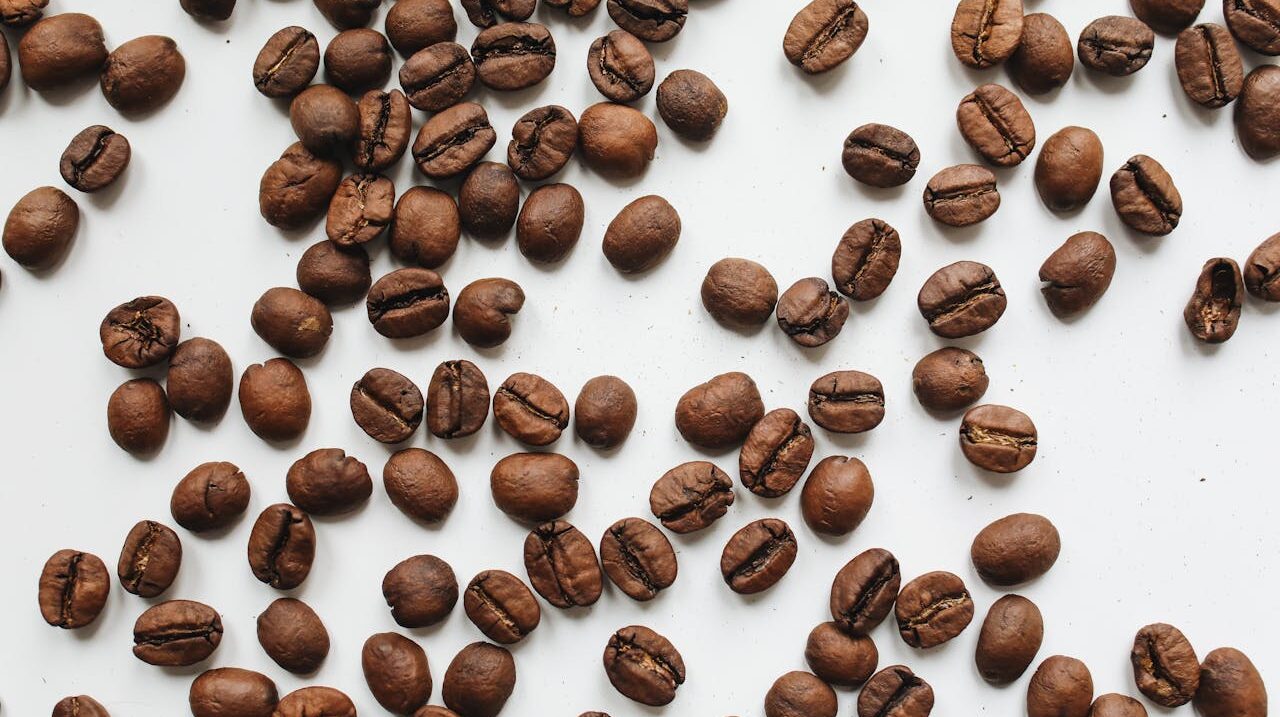
Coffee is, no doubt, the most sought-after agricultural commodity in the international market. The international demand for coffee is driven by the rising consumption of coffee drinks, including ready-to-drink coffee, instant coffee, and signature coffee from specific regions. In addition, a shifting lifestyle in urban areas and pressure to be more productive, which makes people dependent on caffeine consumption. No surprise that coffee has become the most favourite beverage in the world. To enter the global market, one of the requirements is declaring the HS code for coffee. This article will explore the HS codes for coffee beans, major coffee global trade players, and provide guides to find the accurate HS code for coffee.
What is Coffee and the Species of Coffee?
Before moving to the structure and list of HS codes for coffee, we shall know what coffee is and a brief history of coffee. Coffee is a drink made from ground roasted coffee beans. Coffee is found in coffee trees that originate from Africa. The first wild coffee trees were found in Kaffa, Ethiopia, and sent to southern Arabia to be cultivated in the 15th century. During this time, coffee has gained popularity among the Arabs as a substitute for alcohol.
Then, coffee was introduced to the Europeans in the 17th century and became popular across the European countries and their colonies in the Americas. The popularity of coffee led to its cultivation in areas other than Yemen, including Java and other islands in Indonesia under the Dutch colonial rule, and the Americas. In the 20th century, the concentration of coffee plantations shifted from Asia to the Western hemisphere, and Brazil became the largest exporter with almost 80% of global exports.
Coffee has various varieties whose characteristics and flavour are highly influenced by the surrounding areas. The factors include several factors such as climate, soil, sunlight, and others. The most widespread species of coffee trees are arabica (Coffee arabica) and robusta (Coffea canephora), with 99% of grown coffee. There are other coffee varieties such as Coffea liberica and Coffea excelsa, but it less common and only represent 1% of all coffee. The following explanation about the arabica and robusta coffee.
1. Arabica
Arabica is the most popular coffee bean species in the world, with around 62% of total coffee production. This coffee variety originated from Ethiopia. Arabica coffee is known to have a mild taste and specific aroma, which make them higher in terms of price. The quality of arabica coffee usually grown in the high altitude area ranges from 2,000 to 6,000 feet above sea level. In addition, these great varieties are grown in the srrounded equator areas, and it is vulnerable to plant disease.
2. Robusta
Different than arabica coffee, robusta coffee is a species of coffee trees that originated from central and sub-Saharan Africa. This species of coffee is the second most produced coffee, with approximately 38% of the world’s coffee after Arabica coffee. Robusta is known for its strong taste and is more bitter than arabica, which can be seen by the darker roast. Robusta is more affordable than its counterparts because of its low maintenance and ability to resist plant diseases compared to Arabica.
List of HS Codes for Coffee Beans
After understanding the species of coffee, we need to know the structure of the Harmonized System (HS) code for coffee. The code from the World Customs Organization (WCO) is a requirement for the identification of traded products in transnational trade. No wonder the declaration of HS code for coffee is critical and non-negotiable terms before sending the product crossing the national borders.
According to the WCO publication, the HS code for coffee falls under Chapter 09, which includes coffee, tea, mate, and spices. Coffee is classified under the specific Heading 09.01, containing all coffee. It can be categorized further into several Subheadings based on roasted and not roasted, and decaffeinated or not decaffeinated.
| HS codes | Description |
| 0901.11 | Coffee in any proportion, not roasted and not decaffeinated |
| 0901.12 | Coffee in any proportion, not roasted and decaffeinated |
| 0901.21 | Coffee in any proportion, roasted and not decaffeinated |
| 0901.22 | Coffee in any proportion, roasted and decaffeinated |
| 0901.90 | Another type of coffee |
| 2101.12 | Preparation of drinks based on coffee, including mix of cappuccino instant drink |
Top 5 Biggest Coffee Exporters and Importers
When we grasp about the structure of HS code, we might need to see the biggest international trade players of coffee. This insight is important to know where the largest producers as well as exporters are and the trade route of coffee in the world. The following table is the list of the biggest coffee bean-exporting countries in 2024 under the HS code 0901.11.
| Country | Total Export Value (USD) |
| Brazil | 11,337,471,665 |
| Colombia | 3,393,408,905 |
| Indonesia | 1,623,115,238 |
| Uganda | 1,546,969,756 |
| Honduras | 1,266,341,334 |
Source: UN Comtrade Database, accessed April 27, 2026
The table shows that Brazil is beyond doubt the largest exporter of coffee with an amount of more than 11 billion USD. Brazil’s total export amount is larger than all of the other top five exporting countries combined. The remaining coffee-exporting countries include Colombia, Indonesia, Uganda, and Honduras.
After understanding the exporters, we need to know where those coffee products are destined. Here is the list of the biggest coffee bean importers in 2024 under the HS code 0901.11.
| Country | Total Export Value (USD) |
| United States of America | 6,319,859,239 |
| Germany | 4,563,201,796 |
| Italy | 2,665,748,930 |
| Japan | 1,593,132,264 |
| Spain | 1,164,723,009 |
Source: UN Comtrade Database, accessed April 27, 2026
Unlike the exporters, the biggest importers are coming from the developed countries. The biggest importers of coffee beans are the United States, with more than 6.3 billion USD. The second largest coffee buyer is Germany, with a total amount of more than 4.5 billion USD. The remaining largest importing countries are Italy, Japan, and Spain.
How to Find HS Code for Coffee
HS code from the WCO is only the initial code. The HS code required for exporting products is the one established by the destination country, or known as the national variation of HS codes. Finding the HS code for coffee sometimes needs an extra effort, and there are risks of being penalized if you declare an inaccurate HS code.
You might be wondering how to find the national variation of the HS code for coffee? This code can be found on all countries’, regional intergovernmental organizations’ websites, or other applications. Now, we can teach you how to find the HS code for coffee easily using a third-party application called HSCodeMatch. We can use the trade lanes between the largest exporter and importer we discovered in the previous section, such as Brazil and Germany.
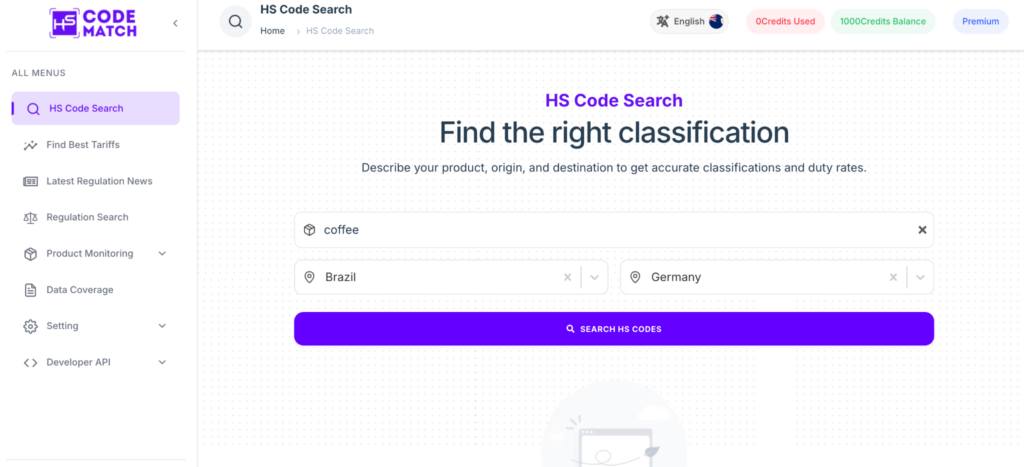
Step 1: Open the HS Code Search on the HSCodeMatch application
Open the HSCodeMatch application through the link: app.hscodematch.com. Find the HS Code Search tool in the left sidebar of the HSCodeMatch app. Filling in the product’s name, coffee or HS code (090111), country of origin, Brazil, and the destination country, Germany.
Step 2: Find the list of HS codes of coffee
Choose the most relevant and accurate HS code for your coffee products from the HSCodeMatch lists. From the example, the higher percentage of HS code is 0901.11.00 for green coffee beans from Brazil to Germany or the European Union (EU).
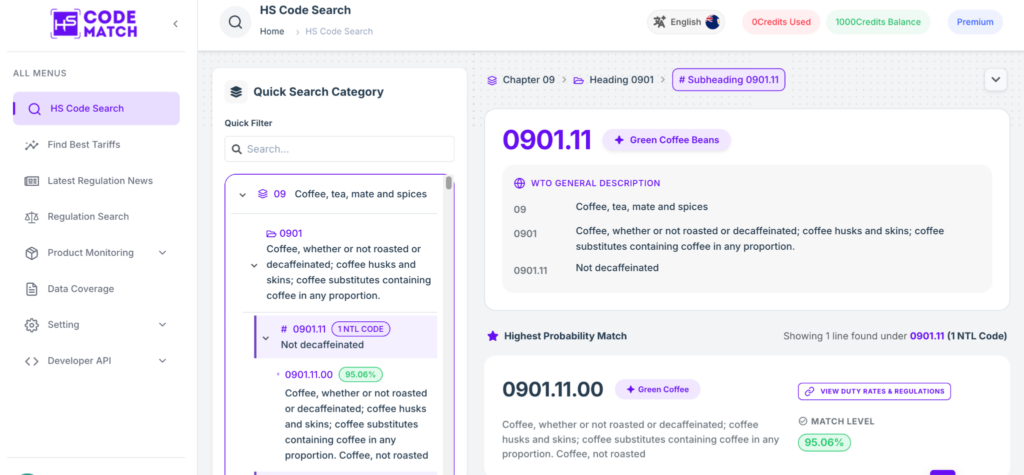
Step 3: Open the HS Code Details for further explanation
Click View Duty Rate & Regulation to access the HS Code Details page. This page allows you to check the detailed description of HS codes for coffee. From the explanation, we can see the HS codes also include Arabica coffee in Germany.
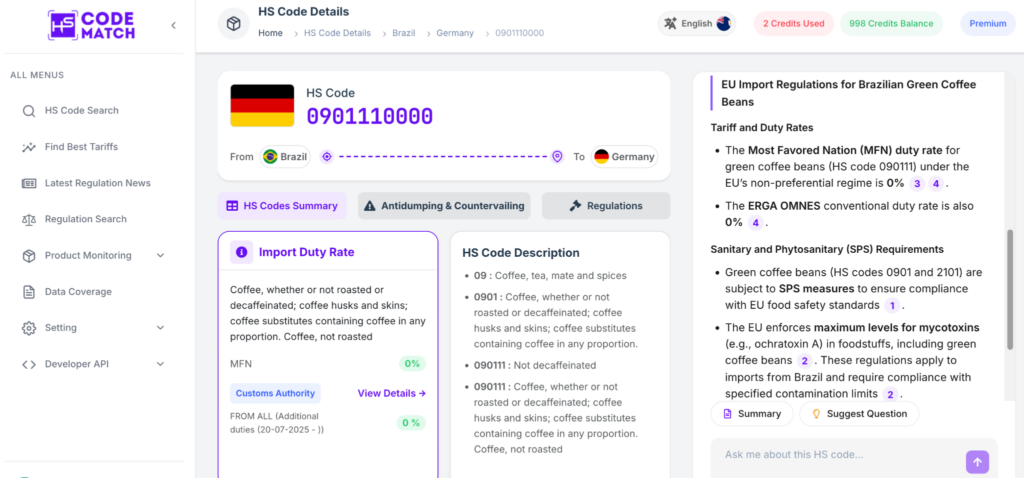
Step 4: Check the latest regulation on HS Code Details
Not only the HS code description and tariff rate, but HS Code Details also provides the latest regulations regarding the exportation of green bean coffee from Brazil to Germany.
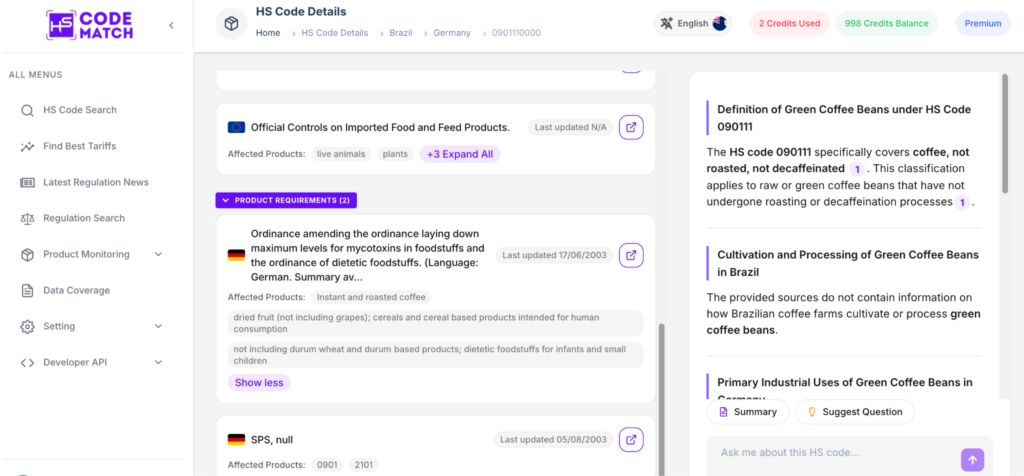
If you find any confusion, please ask the AI Chatbot Assistant directly to find the latest regulations and procedures for exporting coffee from Brazil to Germany. Here are the following examples of questions and answers from the AI Assistant on HSCodeMatch about exporting coffee from Brazil to Germany.
Are there any EU tariff preferences for sustainably certified coffee imports?
No, there are no preferred tariff rates for sustainably certified coffee imports in the EU, including Germany. The tariff rate for exporting green coffee beans from Brazil to the EU is under the standard tariff regimes or Most Favoured Nation (MFN) with 0% duty rate. There is no need to use preferred tariff regimes or tariff reduction because the importers or exporters do not need to pay tariffs. Here is the table of tariff regimes for coffee in the EU.
| Tariff Regime | Duty Rate | Applicable to |
| Non-preferential tariff (MFN) | 0% | All WTO member countries |
What are the required documents for exporting green coffee beans under HS code 090111 from Brazil to Germany?
In order to export green coffee beans under HS code 090111 from Brazil to Germany, there are some documents you need to send to accompany the products. These are the mandatory documents for fulfilling the requirements of the EU or Germany.
| Document | Requirement |
| Commercial Invoice | This document must include the transaction of the products, including the coffee quantity, value, and the declaration of the HS code. |
| Packing List | This document states the weight, volume, and details of packaging before shipment. |
| Bill of Lading or Airway Bill | This document is a proof of shipment and a contract of shipping service from a selected freight forwarder. |
| Phytosanitary Certificate | This document is a requirement for compliance with the EU plant health standard and must be issued by Brazil’s Ministry of Agriculture (MAPA). |
| Certificate of Origin | This document is required as evidence that the green coffee beans are originally from Brazil. |
| Declaration of EU Deforestation Free Products Regulation (EUDR) | This document aims to ensure that the products do not contribute to deforestation in Brazil or other coffee-producing countries. This includes the geolocation data of the production GPS plots. |
| Mycotoxin Test Report | This document is a requirement for EU compliance with the maximum level of Ochratoxin A (3 µg/kg). This is exclusively for green coffee beans. |
What are Mandatory Phytosanitary Certificates for exporting coffee from Brazil to Germany?
In order to export green bean coffee from Brazil to Germany, the exporters and importers need to submit a phytosanitary certificate. This certificate is mandatory for confirmation that coffee complies with the EU regulation under EU 2022/2389. There is an amendment for Implementing Regulation (EU) 2024/591, which mentions reducing plant health checks for importation. However, the pytonsanitary certificate remains in place as a prerequisite for importing the green coffee beans.
A phytosanitary certificate is a document from the national plant protection organization (NPPO). This is the verification of the shipping process for importing EU plant health standards. The certificate aims to prevent the spread of pests and plant diseases from other countries to the EU. including Germany. The spread of plant diseases can harm agriculture, the ecosystem, and even human health in the EU countries. This certificate is a requirement to guarantee the traceability and responsibility for international plant movements.
Conclusion
No doubt that understanding of HS code for coffee is a crucial factor in international trade. Without the comprehension of the HS code for coffee, there is potential for misclassification of HS codes, which is harmful for businesses involved in global trade. The classification of the HS code for coffee is actually not that complicated because it is already stated in the HS Heading 0901. Then the coffee can be classified further into HS Subheading based on whether it is roasted or not roasted and whether it is decaffeinated or not decaffeinated. Regardless of arabica or robusta, all of the species of coffee are under the same HS code.
Frequently Asked Questions (FAQs) about HS Code for Coffee
1. What is the tariff rate for exporting green coffee beans from Brazil to Germany?
The tariff rate for exporting green coffee beans from Brazil to Germany follows the EU tariff rate 0%. Therefore, the importers and exporters do not need to pay tariffs for exporting raw coffee in the EU.
2. What is the national variation HS code for raw coffee beans not roasted and non-decaffeinated in Germany?
The national variation of the HS code for green coffee beans in Germany follows the EU TARIC classification. Thus, the HS tariff classification for green coffee beans not roasted and not decaffeinated is 0901110000.
3. What are the main factors to determine the HS code for coffee?
The main factors to define the HS code for coffee are whether it is roasted or not roasted, and decaffeinated or not decaffeinated. Thus, the coffee species are included in the determining factors of HS codes from the WCO.
4. What is the HS code for cappuccino? Is it different than the HS code for coffee?
The HS code for cappuccino is different than the regular coffee. This is because a cappuccino is a mix of coffee with other complementary ingredients, such as milk. Thus, it is under the HS code 2101.12.
5. What is the HS code for coffee accessories or a coffee maker? Is it the same as the regular HS code for coffee?
The HS code for coffee accessories is not the same as the HS code for coffee. The accessories of the coffee maker, including the coffee roaster machine, are under the machinery classification in Chapter 85. The HS code classification depends on the type of coffee accessories.
Find and Match the Right HS Code for Your Products.
Try Our App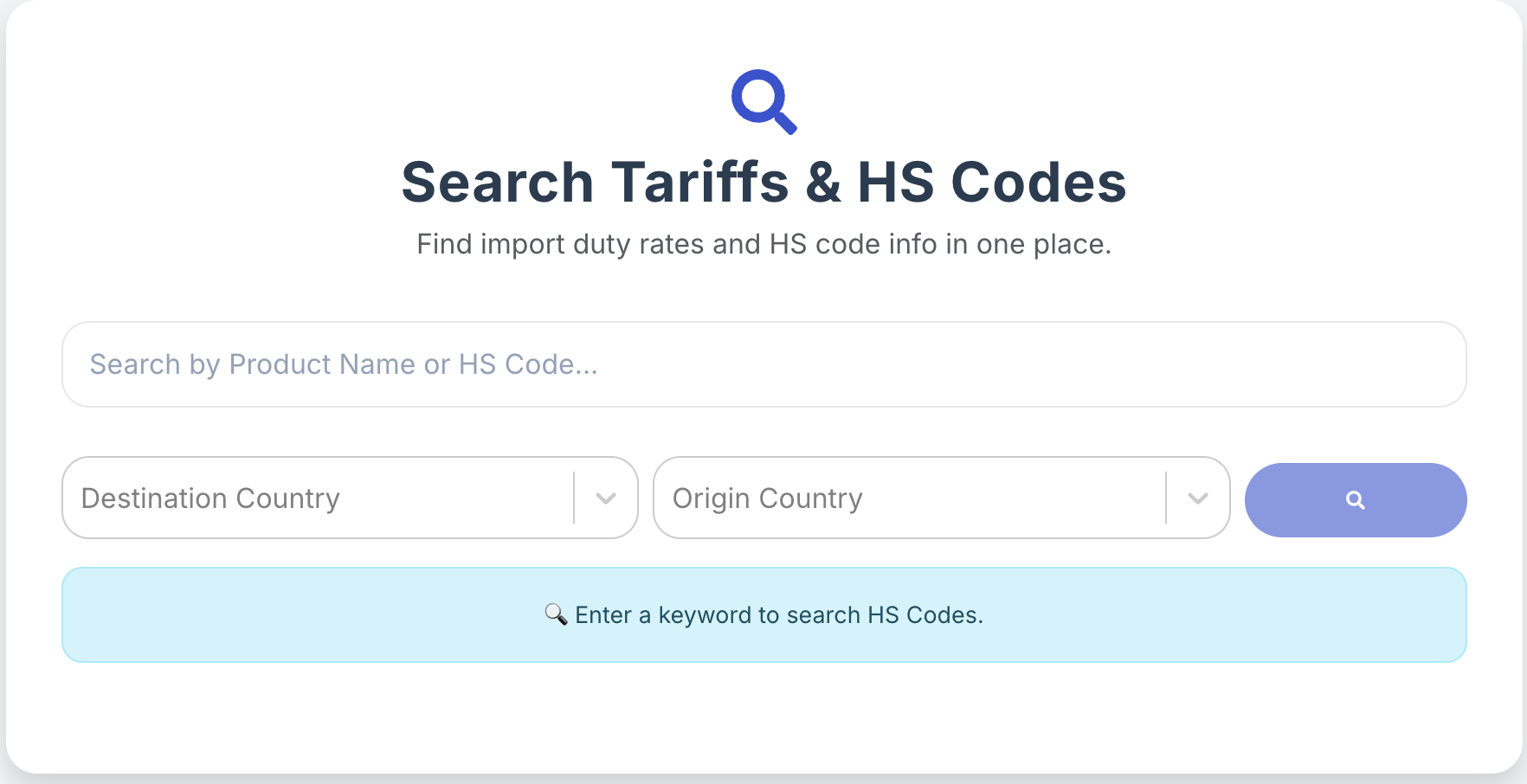

 Sep 10, 2026

